The Independent Guide to Scottish Tea
Exploring Scotland’s heritage blenders, soft-water tea chemistry, and iconic morning cups.
Scotland’s Iconic Tea Makers
From Edinburgh’s historic tea blenders to classic household brands, explore Scotland’s best teas.
THE HOUSEHOLD STANDARD
SCOTTISH BLEND
Brisk, malty and formulated specifically to extract flavor in the waters of Scotland.
HERITAGE EDINBURGH BLEND
BRODIES 1867
Edinburgh’s historic blenders known for Famous Edinburgh, Scottish Breakfast and other classics.
ARTISANAL WHOLE LEAF
EDINBURGH TEA & COFFEE
Artisanal loose leaves, heather-infused specialities and iconic Thistle tea blends.
BOLD AND MALTY
THOMPSON’S (PUNJANA) TEA
Belfast and Scottish favorites; deeply malty breakfast blends delivering a dark, punchy brew.
The Science & Heritage of Scottish Tea Making
WATER CHEMISTRY
The Soft Water Chemistry
Scotland’s highland reservoirs yield naturally soft water with very low mineral and chalk content. Standard English breakfast teas frequently brew pale, thin, and flat under these conditions. Authentic Scottish blends utilize brisk CTC (Crush, Tear, Curl) leaves from Kenya and high-grade Assam to extract bold color, deep maltiness, and rich body without requiring calcium or magnesium to activate flavor.
TASTING NOTES
Two Centuries of Blending
During the 19th-century clipper trade, Scottish ports like Leith and Dundee received direct shipments of tea from India, Ceylon, and China. Historic merchant houses blended orthodox whole leaves with robust estate teas to withstand harsh northern winters, establishing a tradition of rich breakfast teas that predates modern commercial supermarket varieties.
BOTANY AND TRADITION
Navtive Botanical Traditions
Beyond heavy morning breakfast teas, Scottish blenders established a tradition of incorporating indigenous Scottish botanicals into black orthodox teas. Specialty blenders infuse Ceylon and Assam bases with purple highland heather blossoms and Scottish thistle petals, creating fragrant, light afternoon infusions with floral aromatics and subtle sweetness.
Latest News and Reviews
-
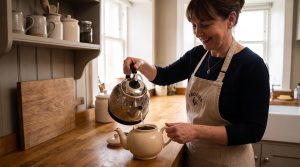
Brodies Tea: How to Make the Perfect Cup of Tea
Brodies Tea offers advice on making the perfect cup of tea. Brodies has been making tea for over 130 years. Now, whatever Brodies Tea you want, here is how to turn it into the perfect cup of tea. Preparation: * Use good tea. * Store tea at room temperature. * Use fresh water each time…
-
Watch Edinburgh Tea Blend and Make Tea
6 years ago, Edinburgh Tea showed us how they blend and manufactures their teas.
-

Tea Brands under Unilever other than Scottish Blend Tea
We all know that Scottish Blend Tea is a tea manufactured by Unilever UK. Mainly in Scotland which is why it is called Scottish Blend Tea. But, other than PG Tips, Lipton, and Lyons Teas, which are big tea brand names. What are the other tea brands that are under Unilever? These are the sister…
Quick Brand Comparison
A side-by-side reference to help you match blends with your regional water and preferred brewing format.
| Brand | Format | Flavor Profile | Water Compatibility | Action |
|---|---|---|---|---|
| Scottish Blend | 80 & 210 Pyramid Tea Bags | Malty, brisk, hearty body | Formulated for soft higland water | View Guide |
| Brodies 1867 | Loose Leaf Tins, Breakfast Tea Bags | Traditional, bright, aromatic | Versatile (soft to medium water) | View Guide |
| Edinburgh Tea & Coffee | Loose Leaf, | Florial, artisinal, heather notes | Soft to neutral water | View Guide |
| Melrose Tea | Heritage Loose, String & Tag Tea Bags | Rich, smooth, classic historic character | Soft to moderately hard water | View Guide |
| Thompson’s Punjana | Tea Bags | Extra bold, punchy, dark liquor | All water, handled hard water exceptionall well | View Guide |
Frequently Asked Questions
What makes Scottish tea blends different from English breakfast teas?
Scottish tea blends are historically crafted with smaller, brisk leaf grades—frequently Assam, Kenyan, and fine Ceylon teas—designed to brew rapidly and produce a deep, malty liquor even in very soft, low-mineral peaty water where standard English blends tend to taste flat or under-extracted.
Can I brew soft-water Scottish blends properly if I have hard water?
Yes, though soft-water formulations can over-extract and turn brisk or overly dark when brewed directly with heavily mineralized, hard municipal tap water. Using an everyday activated carbon filter pitcher brings your water chemistry much closer to classic Highland catchment levels for a cleaner, sweeter cup.
Where does Melrose Tea fit among Scotland’s heritage brands?
Founded in Melrose in the Scottish Borders during the early 19th century, Melrose’s is one of Scotland’s quintessential heritage names. Celebrated for its smooth, historic character and traditional whole-leaf blends, it offers an elegant cup alongside modern household standards like Scottish Blend and Brodies.
Where can I find authentic Scottish tea tins and bags outside the UK?
hile UK grocers carry everyday blends locally, tea drinkers in North America, Europe, and worldwide can purchase imported tins, caddies, and bulk bags via specialty food depots and verified online importers highlighted in our Where to Buy directory.
ScottishTea.com is an independent consumer guide and educational publication. We independently review tea makers and may earn an affiliate commission through qualifying purchases at no extra cost to you. Brand names, logos, and registered marks (including Scottish Blend, Brodies, Edinburgh Tea & Coffee, Thompson’s, and Melrose) belong exclusively to their respective owners.